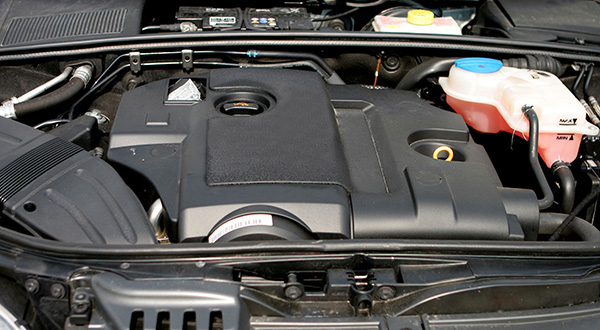
A vehicle rarely loses performance all at once. More often, acceleration becomes a little slower, passing requires more throttle, and hills that once felt easy begin making the engine work harder. Because the change develops gradually, many drivers adjust their habits without realizing how different the car feels.
Age alone does not automatically make an engine weak. The sluggish feeling usually comes from wear, restricted airflow, poor fuel delivery, ignition problems, drivetrain resistance, or several smaller issues happening together. Finding the cause requires looking at how the vehicle responds under different driving conditions.
Why Gradual Power Loss Is Easy To Miss
Drivers become familiar with the way their vehicles behave. When performance decreases over several years, the driver may press the accelerator farther or allow more space for merging without consciously noticing the change. The problem often becomes obvious only after driving a newer car or when the vehicle struggles during a trip.
Pay attention to whether the sluggishness happens from a stop, during highway passing, on hills, or only after the engine warms up. A car that hesitates briefly and then accelerates points toward a different concern than one that feels consistently heavy at every speed. These details help guide the diagnostic process.
Restricted Airflow Can Hold The Engine Back
An engine needs a steady supply of clean air. A dirty air filter, contaminated airflow sensor, cracked intake hose, or carbon buildup around the throttle body can reduce or distort that airflow. The engine computer may then struggle to calculate the correct amount of fuel, causing weak acceleration or delayed throttle response.
Turbocharged engines can also lose power through leaking boost hoses, worn control components, or charge-air system leaks. The vehicle may still drive normally at light throttle but feel noticeably weaker during merging or climbing. An inspection of the intake system can reveal damage that is not always visible from above.
Fuel And Ignition Problems Reduce Combustion Strength
Fuel injectors, pumps, filters, spark plugs, and ignition coils all affect how much power each cylinder produces. As these parts wear or become contaminated, combustion may become weaker without causing an obvious misfire. The engine may run, idle, and start normally while producing less power under load.
Common clues include hesitation, reduced fuel economy, longer starting, uneven acceleration, or an occasional stumble. The check engine light may remain off if the problem has not crossed the computer’s fault threshold. Live data and ignition testing can reveal changes that a dashboard warning does not show.
Transmission And Drivetrain Wear Can Feel Like Engine Weakness
Sometimes the engine is producing normal power, but the transmission is not transferring it efficiently. An automatic transmission may shift too early, slip briefly, or hesitate before selecting a lower gear. A worn clutch in a manual transmission can allow engine RPM to rise without a matching increase in speed.
Other drivetrain parts can create drag or lost motion. Worn CV joints, differential concerns, incorrect fluid, or binding components can make the vehicle feel less responsive. The following signs suggest the drivetrain may be involved:
- Engine RPM rises faster than vehicle speed.
- The transmission delays before engaging drive or reverse.
- Acceleration improves after the transmission downshifts.
- The car shudders or vibrates under load.
- A burning odor appears after driving.
These symptoms deserve prompt attention because continued slipping creates heat and can damage internal transmission parts.
Exhaust Restrictions Can Limit Power
Exhaust gases must leave the engine freely. A restricted catalytic converter, damaged muffler, or collapsed internal exhaust component can create backpressure that limits how much air the engine can move. The car may feel acceptable around town but struggle badly at higher RPM or during sustained acceleration.
A restricted converter may result from long-term misfires, oil consumption, coolant entering the engine, or internal failure. Replacing the restricted part without correcting the original cause can lead to another failure. Testing exhaust pressure and reviewing engine performance helps show whether the exhaust is the source or a result of another problem.
Brakes, Tires, And Wheel Alignment Add Rolling Resistance
A car can feel sluggish even when the engine and transmission are operating correctly. A sticking brake caliper, underinflated tires, worn wheel bearings, or poor alignment can make the vehicle work harder to maintain speed. Fuel economy may drop, and one wheel may become hotter than the others after driving.
Tire size and construction also affect acceleration. Heavier replacement wheels or tires with greater rolling resistance can change the way the car responds. Regular maintenance should include tire pressure checks, brake condition, wheel rotation, and attention to unusual heat, noise, or uneven wear.
How Technicians Find The Source Of Sluggish Performance
Diagnosis starts with verifying the symptom during a road test. The technician may watch engine load, fuel trim, airflow, ignition timing, transmission commands, and sensor readings while the sluggishness occurs. Stored fault information can still be useful even when no warning light is currently on.
Mechanical checks may include fuel pressure, compression, intake leaks, exhaust restriction, brake drag, and fluid condition. Service history is also important because overdue spark plugs, filters, or fluids can provide useful direction. Testing the full vehicle prevents unnecessary replacement of parts that are still working correctly.
Get Sluggish Vehicle Diagnostics In Fairburn, GA, With Gowen's Automotive Repairs
If your car accelerates more slowly, struggles on hills, or feels less responsive than it once did, Gowen's Automotive Repairs in Fairburn, GA, can evaluate the engine, transmission, fuel system, ignition system, brakes, tires, and exhaust.
Contact us to schedule an appointment and identify the source before the loss of performance becomes more severe.