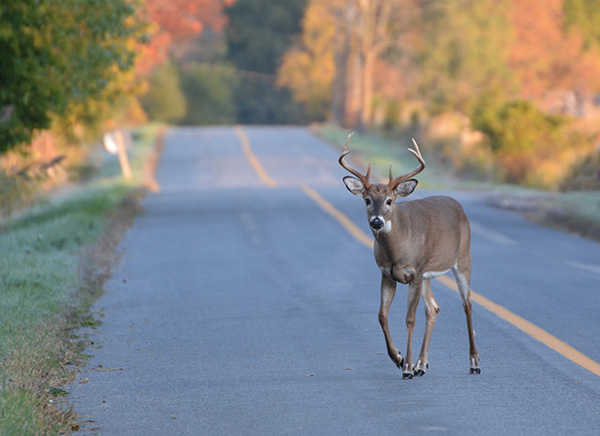
A deer appears near the edge of the headlights. Before you finish deciding whether it will stay there, it steps into the lane.
The immediate task is controlling the car. In passenger vehicles, firm braking and a controlled path usually yield a better outcome than a reflexive swerve into oncoming traffic, a tree, or another vehicle. What happens next depends on the space available and whether an impact occurs.
Watch Beyond the Center of Your Lane
Scan the road edges as well as the pavement ahead, especially where trees, brush, or open land meet the road. An animal standing beside the lane is already a reason to ease off and prepare to slow.
Low light makes that scan harder. Use headlights based on road conditions and surrounding traffic, and slow down when your view is limited. Around Fairburn, a familiar road still needs a fresh look at dusk. Knowing its curves doesn't tell you what is standing beyond the next one.
Brake Firmly Without a Sudden Swerve
If an animal enters your path, slow the car while maintaining control. If ABS is working during an emergency stop, press the pedal firmly and steadily and follow the vehicle's instructions. Pulsing through the pedal is expected as ABS operates.
Avoid a sharp steering movement that takes the car into another hazard. The animal's next move is unpredictable, and a last-second swerve sometimes turns an impact into a more serious collision. If a clear escape path exists, any steering still needs to stay controlled and account for nearby vehicles. Don't accelerate in an attempt to beat the animal across.
Keep Watching for More Animals
One animal crossing sometimes means others are close. Once the first clears your lane, keep speed down while checking the road edges. Don't immediately accelerate into the space it just left. The vehicle behind also needs time to respond to your slowing. Look farther ahead and brake early when you first see movement near the roadway. Close following removes that early option for both you and the next driver, especially in darkness or rain.
What to Do After an Animal Strike
If the car still steers and brakes normally, get it safely away from moving traffic. Turn on hazard lights once stopped and assess the location before anyone gets out. Call emergency services for injuries, immediate danger, or an animal creating a serious hazard in an active lane.
Don't approach or try to move an injured animal. Report the location to the relevant local authorities and follow their directions. Keep people away from the traffic side of the vehicle. Whether to remain belted inside or reach a safer separated area depends on traffic exposure and any fire or other immediate threat.
Vehicle Damage That Means Stop Driving
After an impact, report:
- Coolant or another fluid leaking onto the ground
- A tire rubbing or losing pressure
- A hood that no longer latches securely
- New pulling or difficulty steering
- Broken headlights that leave inadequate visibility
- Smoke, warning messages, or overheating
Visible body damage doesn't show everything behind it. A damaged radiator may start leaking after the engine warms, while a bent liner may contact the tire only during a turn. Arrange recovery if the vehicle's condition or road location makes continued use unsafe.
Check the Front of the Car Beyond the Bumper
An animal strike sometimes pushes the bumper or grille into cooling parts, wiring, or brackets behind it. Driver-assistance equipment mounted in those areas also needs review when the vehicle's repair instructions require it. We'd look for leaks, displaced parts, damaged wiring, and wheel or steering changes according to where the impact occurred. If the hood or lights moved, their mounting and operation needed checking too. A car that still starts has only demonstrated that the engine starts; the impact damage needs its own review before another long drive.
Brakes and Tires Affect the Response Before an Impact
The tires still have to transfer the braking force to the road. Low pressure, structural damage, or heavily worn tread reduces the margin available when the next surprise appears.
Brake pulling or a soft pedal needs checking before an emergency stop. We'd measure pad and rotor condition and check release or hydraulic faults where the symptom points. Tell us if the car recently began needing a correction while braking. That's a change in behavior worth finding, even if ordinary stops still feel manageable.
Prepare for the Night Drive Before Leaving
Clean the windshield inside and out, check headlight operation, and set mirrors while parked. Dirty glass scatters light and makes a dark roadside harder to read. Wipers and washers need to clear the full view when rain or spray arrives.
Leave extra following space and keep passenger tasks away from the driver. Looking down to handle food or a phone is enough to miss the first movement at the road edge. A safe place to stop is the right place to deal with those interruptions.
Vehicle Inspection at Gowen's Automotive Repairs
Gowen's Automotive Repairs in Fairburn, GA, can check brakes and tires and inspect for mechanical damage after an animal strike. Explain where the impact occurred and any new leak, noise, or steering change before bringing the vehicle in.
Contact Gowen's Automotive Repairs to discuss vehicle inspection and whether transport is needed after an impact.